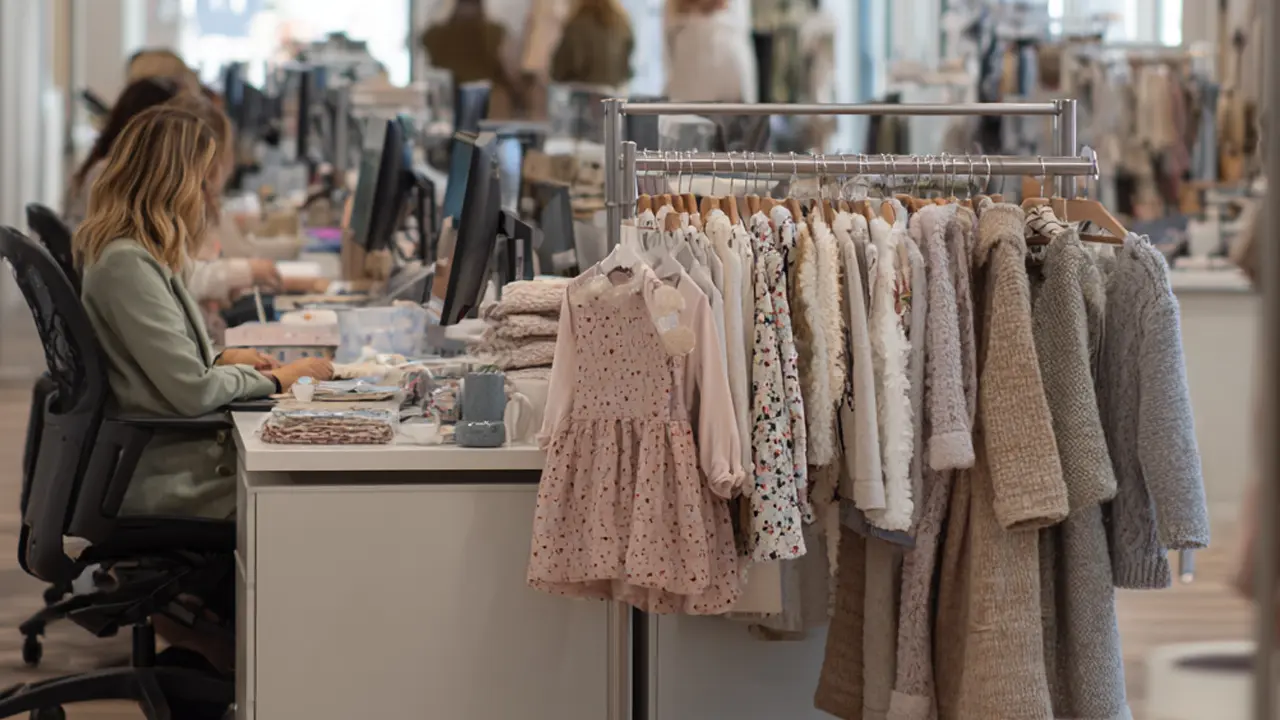
A fashion buyer is responsible for turning trends, data, and customer insight into commercially successful product ranges. They research the market, plan and develop collections, manage suppliers and budgets, and make strategic decisions that directly impact sales, margin, and profitability—balancing creativity with commercial discipline at every stage of the buying cycle.

Table of Contents
Ever wondered what a fashion buyer does?
This article is an explanation about what fashion buyers actually do every day beyond the stereotypical misconceptions.
What A Fashion Buyer Does Day-to-Day
Fashion buying seems to be the most romanticised yet misunderstood career in retail.
Social media portrays buyers as glamorous individuals who attend fashion shows and select beautiful clothes for admiring customers. After 25 plus years in design and buying roles, working with brands from Primark in Dublin to Landmark Group in Dubai and managing buying budgets exceeding $120 million, I can tell you the reality is far more complex and infinitely more rewarding than these superficial portrayals suggest.
The role of fashion buyer is so much more. It is part creative thinker, part strategist, part analyst, part negotiator, and part project manager. We’re responsible for identifying emerging fashion trends and translating these into concrete commercial success, balancing creative vision with financial targets, and making decisions that affect everything from customer satisfaction to company profitability.
Every choice we make from fabric selection to promotional timing ripples tacross the business and ultimately impacts the bottom line.
When I explain my role to people outside the industry, once I have debunked that is it NOT as glamorous as they think, they are surprised that it is not all fashion shows and parties. Instead you have profit and loss responsibility, you manage complex supplier relationships across multiple continents, you lead cross-functional teams, and crucially you make strategic decisions under constant time pressure. The business difference is that instead of cars or food your product happens to be fashion garments.
Every day is different; from early morning supplier calls with factories in Bangladesh to late evening analysis of daily sales data, the role demands technical expertise, commercial acumen, and strategic thinking that extends far beyond aesthetic judgment.
Understanding the full scope of these responsibilities will help aspiring buyers prepare for the realities they’ll face in the role.
What is Trend and Market Research about?
While I knew from an early age I wanted to work in the fashion industry I didn’t quite know what that would look like. I loved designing and creating but as I established my career I realised I wanted to follow the journey of my designs through to the shop floor. The role of buyer developing private label products was the perfect fit. The perfect mix of creativity and commercial nous.
Like most things it is not cut and dried when you break down what a buyer does – we must operate with innate curiosity, as cultural anthropologists, constantly analysing how social, economic, and technological changes influence customer behaviour and purchase decisions. This is about doing research, being aware and observant far beyond scrolling through Tik-Tok, Instagram or attending fashion weeks. It requires systematic analysis of multiple data sources to identify patterns that predict commercial opportunities rather than simply documenting what’s currently popular. In the same way ai focuses on pattern recognition is the same for fashion buyers.
Catwalk analysis represents just one component of comprehensive trend research, and often the most misleading one for commercial buyers. When oversized blazers with exaggerated shoulders appear in the catwalk in Paris, the immediate response is to replicate these dramatic proportions. But a savvy buyer will understand that runway shows present artistic statements rather than commercial direction. They offer inspiration and direction but it doesn’t always translate to local consumer specific commercial success. The skill actually lies in identifying which elements will translate to mainstream retail and how to adapt them for your specific customer base.
It is not enough to rely on just one component of trend research.
This leads to skewed and biased thinking, so the market and trend research part of the role must extend broader than this. When gathering information I compare it to the card game ‘Memory’ where all the cards are placed face down and players try to find matching pairs by turning over two cards at a time. Fashion research is about joining the dots and making connections between the silhouette you saw with brand A and the style you saw with supplier B and the fabrics from store C that all had a common thread. Doing ‘on the street’ market style research provides even more reliable insight than catwalk analysis because it is direct research that you do with your specific customer in mind. When I notice consistent styling patterns across different locations or markets, I know from experience that this often ‘confirms’ potential commercial opportunities. For example the rise of Athleisure wasn’t so visible on high fashion runways initially but emerged over time on social media (& accelerated by Covid) with influencers and customers alike.
Competitor analysis requires understanding not just what other brands are selling, but how they’re positioning products, pricing strategies, and promotional timing. Gaining this specific intelligence influences everything in the buyers decision making process from range planning to budget allocation and category growth.
Observing broader social changes also affect consumer behaviours and shopping patterns. For example remote working altered customer requirements and priorities, creating demand for comfortable yet professional clothing that looked good on video calls. The return to office working has shifted that again. Changes in customers disposable income also impacts spending habits. As a buyer, watching and recognised these shifts early allows you to pivot your plans to capture emerging opportunities.
Range Planning: At The Core of What a Fashion Buyer Does
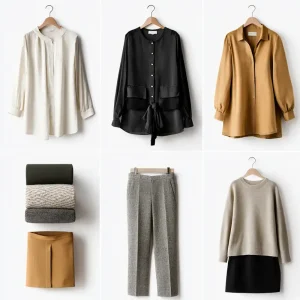
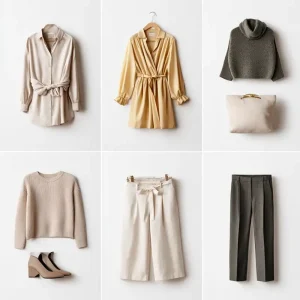
Range planning is the place where your creative vision and commercial strategy come to life. This is where successful buyers distinguish themselves from product developers. This process involves making hundreds of interconnected decisions about the product, the mix, the price point hierarchy and seasonal launching while keeping your customer front of mind. It is based on a successful customer journey that will determine your category success or failure. The challenges become even more complicated when you consider that these decisions can be made 6-12 months before your customers ever see these products.
Product development decisions require balancing innovation with commercial viability. This means understanding that your customers want newness but not too new. They want products that they can understand, be excited to purchase and that they can integrate into their existing wardrobes.
This is where the buyers skill in editing and making decisions is so important.
When you have to decide between 47 different wash options 12 fit variations, and 8 price points for a woman’s denim wear category with a fixed budget you have to be sure you are making business right choices.
Understanding your customer profile with specific needs and price sensitivities is key.
The analysis process of knowing value quality and versatility is more important than trend responsiveness is the sort of insight that influences your range mix ensuring that you will focus on timeless washes and fits rather than seasonal fads.
Option planning involves determining how many choices you are going to offer your customers within each category. It’s a bit like the fairytale ‘Goldilocks & The Three Bears” ‘Too little ’ leaves customers your customers with FOMO, feeling they are missing out. ‘Too many’ options creates confused customers unable to make a choice while getting the option count ‘just right’ depends on your buying decisions for each category type and your seasonal business strategy.
Price point architecture means you need to know not just what customers will pay for individual items but how your different price points work together to create range coherence and encourage trading up. The value on offer at each price point should be obvious to your customers . The most successful ranges include a three tiered good better best approach eg; entry-level products that attract price-conscious customers, mid-tier options that provide best value, and top tier items that capture the trends of the season and enhance your overall brand position.
Color and fabric selection involves understanding which trends will work best for your segment along with practical considerations that affect manufacturing, quality, and ultimately customer satisfaction. Over the years I have often been asked ‘but how do you know what colours will be in season”…. From the outside, colour trends can look unpredictable, but they’re driven by the research you do as a buyers long before your product reaches the shop floor.
When selecting colours for your seasonal ranges, Its important to consider factors beyond trend forecasts. For example, how will these colours photograph for e-commerce? Do they work well together for customer mix-and-match styling? Can our suppliers achieve consistent colour matching across different fabric weights? This can definitely be a challenge. When you have many years of experience you will see a cyclical pattern to colours and palettes each season . it is the new colours that bring a fresh look and combination to the mix.
During one buying season, our buying team chose to eliminate two trending colours from our range because the lap dip and approval process revealed dying inconsistencies dye that would create quality issues further down the line. This is a good example of why it is important to be able to pivot. In season we saw competitors who proceeded with these colours were left with products on the markdown rails that affected their profitability.
Seasonal timing decisions affect everything from production scheduling to promotional strategy. Understanding when to launch and when to introduce new products requires historical sales analysis to understand sales patterns, competitor timing, and customer shopping behaviour.


Fashion Buyers MUST Build Strategic Supplier Partnerships
The most important thing for early stage buyers is that supplier relationships are far more than transactional arrangements. They are strategic partnerships, not you versus them. The best suppliers choose to work with buyers who understand the manufacturing process and contribute to mutual success rather than placing orders making demands and expecting deliveries yesterday.
The sample development process with your suppliers requires a certain level of technical knowledge that many buyers underestimate or just don’t understand until they face quality issues that could have been prevented through better specification and communication. Clear communication is a top priority when working with supplier where English may not be their first language.
Many seasons ago when working with a new supplier in Turkey on our knitwear range, we discovered that their interpretation of “regular fit” differed significantly from our brand standards and requirements. This discrepancy had we not picked up on it in the early stages would have resulted in customer complaints and returns if not corrected during the sampling phase.
Costing negotiations requires understanding not just the final price but the all the components that it includes. Experienced buyers will make efforts to understand fabric costs, seasonal raw material costs, added labor costs, and any additional overhead allocations, to identify optimisation opportunities. A collaborative approach to costing often present alternative options that help reduce costs, maintain quality and meet target prices.
For example; one time during lengthy negotiations for our outerwear range, our supplier proposed alternative hardware ( buttons , zips and toggles) that reduced the cost price by $0.65c per garment while actually improving functionality. This emerged from discussions about product and cost optimisation rather than adversarial price negotiations, while also improving our margins on the products win -win !!
Another reason for building strong supplier partnerships is with lead time management.
As our supply chains globalise and become increasingly complex, working with your suppliers to optimise processes, and create contingency plans in case of unforeseen delays requires understanding each supplier’s capabilities, capacity constraints, and alternative options.
Again it come back to being able to pivot and problem solve when you least expect it.
Suppliers appreciate buyers who respect their expertise, understand their challenges, and contribute to mutually beneficial solutions. I have experienced this many times in the when I have had to call up a supplier to ask for their help to pull a delivery early or to hold off for a few weeks as my stock levels are a bit high or vice versa. As a result these relationships can offer you capacity during peak periods and a degree of flexibility during unexpected challenges.
Don’t underestimate or take these for granted.
Critical Path Management
Critical path management is the ultimate multi task process that requires you to manage dozens of connected activities across multiple time zones to deliver products that meet your specified quality standards, target cost, and delivery deadlines simultaneously. By not correctly managing your timelines in this complex sequence you risk causing delays to your intake plan which have a negative knock on effect to your projected sales.
This is the consequence all fashion buyers MUST understand.
Timeline management is one of the most crucial yet under appreciated aspects of successful buying. What is the point of all your research efforts and development of amazing products if they arrive late and you have to mark them down to sell?
The sample approval processes only works with fully understanding the time constraints attached to your decision making. You do not have time to delay making decisions or giving approval feedback. You do not have the luxury of changing your mind multiple times. You cannot afford to request endless samples just because you haven’t communicated your brief clearly the first time.
When reviewing samples, you might typically evaluate 200+ samples across 8 different product categories within a three-week approval window. Each sample requires assessment of fit, construction, colour accuracy, and finishing quality. Lap dips and trim approvals may come separately. Delays in sample approval decisions affect production scheduling, fabric ordering, and shipping arrangements that were planned months in advance.
Rejecting a sample for quality reasons might force production delays that affect store launch timing, promotional schedules, and competitive positioning. Savvy buyers understand the urgency of the critical path timelines, can identify issues early and communicate feedback within the timeframe necessary to enable rapid corrections or adjustments. During the process this involves regular communication with suppliers, recognising early warning signs of delays or quality issues and having real-time visibility on the production status of each style rather than waiting for suppliers to report problems. Early warning signs to look out for are late arrival of samples , lack of timely replies or confirmation to queries raised. All sides have to be on the same page and adhere to the agreed delivery dates. The critical path timelines work from these so there is little wiggly room for decision delays.
I remember one particularly challenging season, when reviewing our CP timelines it revealed that our key knits supplier in Vietnam was experiencing power outages that threatened delivery schedules for 40% of our range. Early identification and knowledge of this issue enabled us to work with the supplier to arrange alternative production capacity and adjust delivery schedules to minimise impact. Trust me when I say that dealing with any problem early on is better than burying your head in the sand and hoping it will disappear. It rarely does – usually it gets bigger and worse!


Sales Analysis: The Weekly Reality Check
Once your products hit the shop floor, sales and trading analysis provides the commercial feedback that validates your creative vision with your commercial strategy.
I love to see the numbers and sales patterns and the story they tell as this is what will fuel your next set of decisions and actions to take. Every week brings new information about customer response to previous decisions, market trends that affect demand patterns, and competitive dynamics that influence positioning. Buyers use this information to adjust current strategies and inform future planning. Gaining this experience and developing your skills is what will make the difference to your success as a buyer.
Sell-through analysis reveals not just which products are performing but why they’re succeeding or failing. Understanding these performance drivers enables buyers to make informed decisions about reorders, markdowns, and future product development. The skill lies in distinguishing between temporary fluctuations and meaningful trends that require strategic response. It means being curious about the number you see and asking questions and digging deeper.
For example, the knitwear style sold well .. but there are four colour options – which of these sold the best? Are the colour selling in the way that you bought them? If not what’s happening? Is there a slow moving colour? How are your sizes selling? What does the product look like on the shop floor ? What are customers buying with this product? Are they buying more than one colour ..etc…etc
You see what I mean with the questions!
These additional insights will influence your buying strategy for subsequent seasons to achieve even better sell-through rates and reduced markdowns.
Margin analysis extends beyond simple percentage calculations to understand the relationship between pricing, volume, and total contribution. Sometimes reducing margins can increase total profits through higher volume, while other times protecting margins through strategic pricing maintains brand positioning and long-term customer relationships. A strong working knowledge of retail maths is essential.
Style or Line-level performance reviews involve understanding not just individual product success but how products work together within ranges. Certain items might have low individual performance but are important in the overall range and customer experience. Other products might show strong individual performance while cannibalising sales from more profitable alternatives. These are the considerations you apply when planning you range – it is when you are trading the range you will see how successful those decision are.
Stock cover management and analysis show whether your stock / inventory levels align with your business plan, sales patterns and delivery schedules. Too much stock at any one time cash flow cash and may force markdowns. While too little stock can leave you scrambling, miss sales opportunities and lead to customer dissatisfaction. Achieving an optimal balance requires understanding demand variability, lead time constraints, and competitive dynamics. Basically OTB management is a non negotiable skill for successful buyers.
In-Season Agility: Responsive Decision Making
I mentioned earlier about being able to pivot. In-season decision-making separates strategic buyers from order-takers. Sometime you are required to do a rapid analysis of emerging trends and take immediate action to capitalise on new opportunities or to minimise losses. The retail environment changes constantly, with customer preferences, competitive actions, and external factors creating situations that require quick thinking and decisive action within existing operational constraints.
Backing bestsellers requires more sophisticated analysis than simply reordering successful products.
Before taking action it is important to understand whether a specific strong sales performance of a style represents sustainable demand (ie; there is opportunity to sell more) or it was a temporary sales spike (perhaps caused by an external event). The challenge is whether additional inventory can be delivered while the item is still in hot demand and if by doing so it will contribute positively to the total category performance. There is no point buying stock that will result in a markdown.
Cancelling slow moving lines also requires balancing commercial discipline with operational reality.
Cancelled orders are not to be done lightly or simply because you changed your mind. This affects supplier relationships, may incur financial penalties, and leave range gaps that affect overall sales and customer experience. The skill lies in identifying products that truly aren’t viable versus those experiencing temporary weakness that might recover. Reducing slow moving products requires minimising financial impact while maintaining range integrity and creating OTB to buy right. Keep in mind that the short-term decision you make should support long-term strategic objectives.
Cross-Functional Collaboration
Fashion buying success is not just down to you as an individual buyer but it also depends on effective collaborations with your many internal teams. This can be design, merchandising, marketing, supply chain etc.. Their priorities will often differ from yours in fashion buying so understanding this and finding solutions together makes you more strategic as a buyer.
Working with your merchandising team involves a mix of product and financial planning, ensuring that your creative range vision translates into commercially viable assortments that meet margin targets and inventory objectives.
The bigger the business is the more complex this can become.
Remember you both want successful outcomes, so while Merchandisers will focus on the numbers and buyers focus on products and sales opportunities, working together requires some negotiation and compromise to deliver joined business objectives.
The relationship between buying and merchandising is most apparent during range reviews and sign off meetings where new ideas and product strategies must balance with financial metrics.
As an example, say you have planned a collection which includes 40% more products than your in store space allocation can accommodate, then both buying and merchandising teams need to collaborate together and agree on prioritisation criteria that maintains the range mix while working within the space and budget constraints.
Design and buying team collaboration can be more challenging!
Designers will often push boundaries and present ideas to buyers who then evaluate these ideas for feasibility and if they are customer right. Conflicts arise when both sides have different agendas. It means communicating market insights and seasonal commercial requirements openly and successfully together. Buyers should share creative briefs that designers understand clearly in order to create and deliver new ideas and products that are commercially viable.
The marketing partnership involves ensuring that your product stories align with your brand messaging while generating content that drives customer engagement and sales conversion. The buyers provide the market intelligence, buying strategy and seasonal direction that I turn informs the marketing strategy while marketing provides customer insights that influence product development. Its ALL connected ! Again the stronger the relationship the more effective and successful the promotional strategy will be.
When it comes to how products will be presented to customers in stores it is the responsibility of the VM team. Visual merchandising collaboration means understanding and ensuring that range planning supports effective store displays and online presentation. The most beautiful products will be lost if customers can’t understand how to style them or see them in appropriate context. Product positions in stores is also important for those volume lines you want to promote and sell successfully. It is not just inside your stores you have to consider, as online sales represent growing portions of total revenue, a buyer must consider how products photograph, how they fit within digital navigation structures, and how they support online customer journeys. All of these considerations should be thought out and built into the range at planning stage.
As a business grows, so does the complexity of cross-functional work.
Buyers operating across multiple markets must align with teams who each have their own customer insights, competitive pressures, and operational realities. Success depends on recognising these differences and developing solutions that work across varied environments. A best-selling product often performs well globally, but it’s the cultural nuances that shape how each market responds. Those subtle differences are what allow global businesses to deliver locally relevant ranges.



The Daily Reality in the Life of a fashion Buyer
A typical day in fashion buying involves constant switching between strategic thinking and tactical execution, managing immediate crises while maintaining focus on longer-term objectives. No matter how well planned you are for the day ahead it can change in an instant . The role requires agility that can address supplier negotiations, competitive analysis, and range planning within the same morning while maintaining decision quality under time pressure.
While the beginning of the week is focused on trade analysis from the previous week, most morning routines will typically begin with a review of overnight sales data, supplier communications, and any market intelligence that might affect daily priorities. This information flow continues throughout the day, sometimes requiring reprioritisation as new information becomes available. It is not easy juggling so many variables but successful buyers will develop their own systematic approach to managing information that still enables quick decision-making without missing critical details.
Supplier communications might involve production status calls with factories in Bangladesh, quality discussions with suppliers in Turkey, and new product development meetings with vendors in Italy. Each conversation requires understanding different business cultures and communication styles.
Internal meetings require translating market insights and product expertise into actionable tasks that team members can understand and act upon. Presenting to senior management requires different communication approaches than with team members or collaborating with design colleagues. The ability to adjust your communication style while maintaining message consistency is another essential skill for organisational effectiveness.
Sample evaluation sessions involve the assessment or approval of quality, fit, and commercial viability within tight time constraints (remember the critical path timelines I mentioned earlier). During peak development periods, where you might have to evaluate 50+ samples in a day? You should have an evaluation process in place that balance the quality standard checklist with speed.
Market research activities include continuous monitoring of competitor stores & websites, analysing social media trends and customer feedback that might influence future buying decisions. This research informs both immediate tactical decisions and longer-term strategic planning. The challenge lies in distinguishing between meaningful trends and temporary noise that could mislead decision-making. As you become more experienced in your role as buyer you will discern this more easily.
Administrative responsibilities include updating those critical path spreadsheets, preparing financial reports, and maintaining supplier orders and samples that support team collaboration. While less glamorous than creative decisions, these operational disciplines are just as important for the smooth function of the buying team.
The integration of all these daily activities requires stronger time management skills and effective prioritisation frameworks to ensure important decisions get adequate attention while routine tasks don’t roll into larger problems. A successful buyer develops a process to manage the workload while preserving some mental headspace energy for strategic thinking. There are some days where it is more effectively to be just about creative decisions while others are solely dedicated to financial planning and analysis.
The Complete Fashion Buyer
Fashion buying is one of the most diverse and commercially influential careers in retail. It blends creative judgement with analytical rigour, cultural awareness with operational discipline, and long-term strategy with day-to-day execution. The role demands continuous learning and adaptation as markets shift, customer expectations evolve, and competition intensifies.
A successful buyer fine tunes early market signals and emerging trends into commercial opportunities. They balance supplier management with international supply chain coordination and lead cross-functional teams toward shared objectives. This requires intellectual agility, emotional intelligence, and commercial discipline, an uncommon combination that few roles demand at the same time.
Understanding the true scope of the buying function will help any aspiring buyers prepare for the realities of the job, rather than the romanticised version so often portrayed in social media. For those already in the role, this overview highlights areas for skill development, career progression, and professional growth, while also validating the complexity they navigate every day.
The industry needs buyers who blend the creative energy of product development with the commercial discipline required for profitable retail. Those who master this balance will find a career that is intellectually challenging, creatively rewarding, and commercially impactful in an industry that continues to evolve with technology and shifting customer behaviour.
Frequently Asked Questions–
A fashion buyer is responsible for selecting, developing, and purchasing the products that a retail brand sells to its customers. This includes conducting trend and market research, building seasonal product ranges, negotiating with suppliers, managing the critical path to ensure products arrive on time, and analysing weekly sales performance to inform ongoing decisions. The role combines creative judgement with significant commercial and financial responsibility.
It is both and that is precisely what makes it demanding. Fashion buyers need strong creative instincts to identify the right products and trends for their customer, but those instincts must be backed by commercial analysis, financial planning, and operational rigour. Buyers who develop only one side of that equation tend to plateau early in their careers.
A typical day includes reviewing overnight sales data, managing supplier communications across multiple time zones, attending internal meetings with merchandising or design, evaluating product samples, updating critical path timelines, and monitoring competitor activity. The balance between these activities shifts depending on where the team is in the buying cycle, but the pace is consistently high and priorities change quickly.
A fashion buyer focuses on selecting and developing the products that go into a range, making decisions about what to buy, from whom, at what price, and in what quantities. A fashion merchandiser focuses on the financial and inventory planning that underpins those decisions; managing the open-to-buy budget, planning intake, and monitoring stock levels. In practice, the two roles work closely together, and the most effective buyers have a solid working understanding of the merchandiser’s function.
The core skills include commercial awareness, trend analysis, supplier negotiation, range planning, retail mathematics, and critical path management. Beyond the technical skills, successful buyers need strong communication skills, the ability to make decisions under time pressure, and the analytical capability to read sales data and adjust strategy in response. Relationship management with suppliers, internal teams, and senior stakeholders is equally important.